Chapter 18Data Appendix
KPI Companion
Key Performance Indicators (1932-1945)
⏱️ 4 min read📚 Chapter 18 of 19🎯 Appendices📝 734 words
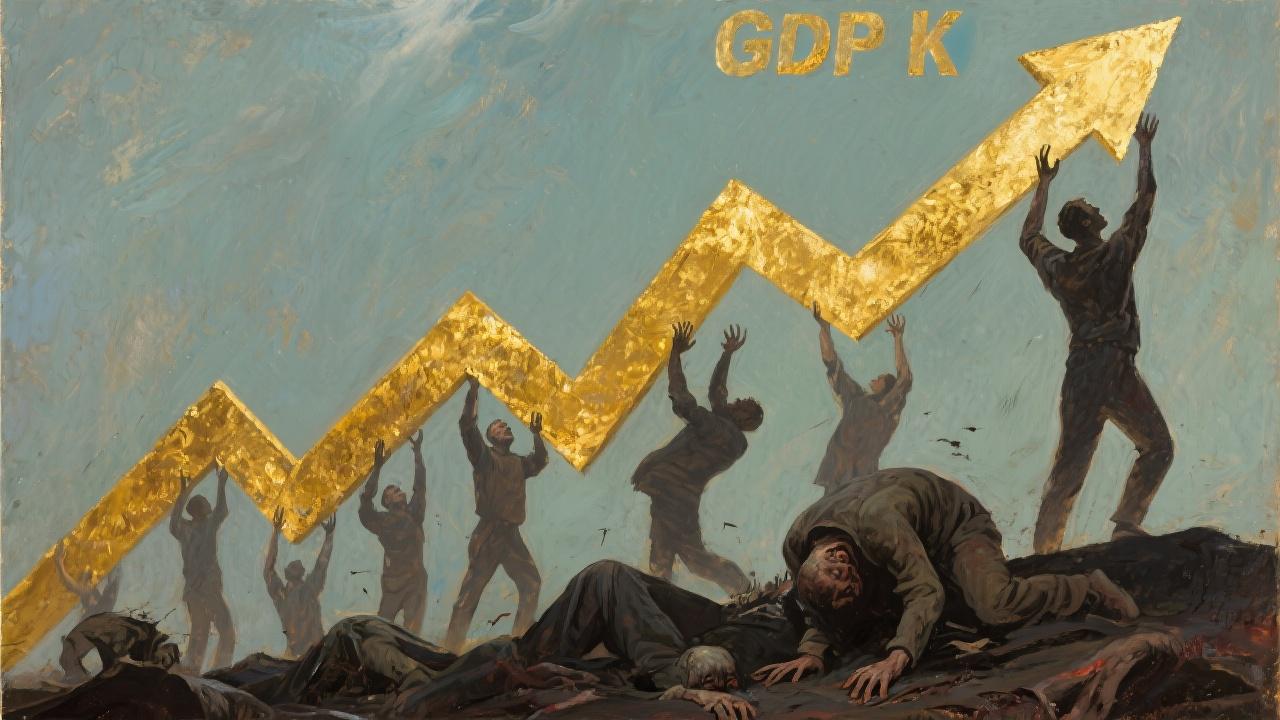
Chapter KPIs (with sources)
These one-pagers close each chapter with visceral, people-centered indicators. Links point to primary or trusted data/archives.
Part I — The German “Miracle” That Wasn’t (1933–1939)
Chapter 1 — The Depths of Despair (1932)
| KPI | Value & Context | Source |
|---|---|---|
| Registered unemployed (Feb 15, 1932) | 6.13 million jobless | LeMO / DHM |
| Households with a radio (1932) | ~23.7% (≈4.36m sets) | GHDI “Radio Use in Germany, 1929–1941” |
| Weekly real earnings (index, 1932=100) | 100 (baseline); 1929 was 118 | Bry, Wages in Germany, Table 68 |
| Average workweek (index, 1913=100) | 75 (short workweeks in the slump) | Bry, Table 69 |
Chapter 2 — The First 100 Days of Hope (1933–1934)
| KPI | Value & Context | Source |
|---|---|---|
| Households with a radio (1934) | ~28.6% (≈5.28m sets) | GHDI radio series |
| Weekly real earnings (index, 1932=100) | 109 (1934, after tax & COL adj.) | Bry, Table 68 |
| Cost-of-living index (1934, official, 1932=100) | 100.4 | Bry, Table 68, col. 4 |
Chapter 3 — The Factory Whistles Return (1935)
| KPI | Value & Context | Source |
|---|---|---|
| Households with a radio (1935) | ~32.3% (≈5.95m sets) | GHDI radio series |
| Weekly real earnings (index, 1932=100) | 110 (1935, adj.) | Bry, Table 68 |
| Cost-of-living index (1935, official) | 102.0 (1932=100) | Bry, Table 68, col. 4 |
Chapter 4 — The Volkswagen Dream (1938 focus)
| KPI | Value & Context | Source |
|---|---|---|
| KdF car savings plan | 5 RM/week toward 990 RM car; ≈330,000 participants by 1941 (no cars delivered pre-war) | GHDI: “Poster advertising the KdF car” |
| Households with a radio (1938) | ~51.7% (≈9.63m sets) | GHDI radio series |
| Weekly real earnings (index, 1932=100) | 114 (1938, adj.) | Bry, Table 68 |
| Cost-of-living (1938, adjusted index) | 109.0 (vs. official 104.1) | Bry, Table 68, cols. 4–5 |
Chapter 5 — Butter or Guns (1936–1937 turning point)
| KPI | Value & Context | Source |
|---|---|---|
| Weekly real earnings (index, 1932=100) | 112 (1936, adj.) | Bry, Table 68 |
| Cost-of-living (1936, official index) | 103.2 (1932=100) | Bry, Table 68, col. 4 |
| Households with a radio (1936) | ~40.0% (≈7.45m sets) | GHDI radio series |
Chapter 6 — The Golden Cage Closes (1938–1939)
| KPI | Value & Context | Source |
|---|---|---|
| Average workweek (index, 1913=100) | 88 (1939) — longer hours returning | Bry, Table 69 |
| Weekly real earnings (index, 1932=100) | 118 (1939, adj.) | Bry, Table 68 |
| Kristallnacht “atonement” levy | 1.0–1.13 bn RM extracted from German Jews (1938–40) | Wikipedia summary w/ refs |
| Households with a radio (1939) | ~58.3% (≈10.8m sets) | GHDI radio series |
| Synthetic fuel output (1939) | ≈1.28 Mt (coal-to-liquid) | Stranges, “Germany’s Synthetic Fuel Industry” (AIChE) |
Part II — The American Arsenal (1940–1945)
Chapter 7 — The Sleeping Giant Stirs (1940)
| KPI | Value & Context | Source |
|---|---|---|
| Unemployment rate (Mar 1940, CPS) | 15.4% (monthly peak year-start) | BLS/MLR historical overview (Fig. 1) |
Chapter 8 — From Plowshares to Swords (1941–1942)
| KPI | Value & Context | Source |
|---|---|---|
| Gasoline ration “A” sticker | ~3–4 gallons/week (from late 1942) | U.S. Capitol Visitor Center |
| OPA created / price control authority | Aug 28, 1941; wartime price ceilings and rationing | Office of Price Administration |
Chapter 9 — Rosie’s Revolution (1942–1944)
| KPI | Value & Context | Source |
|---|---|---|
| Women’s share of civilian labor force | “More than one-third”; ~35% by July 1944 | U.S. Women’s Bureau (FRASER) |
Chapter 10 — The Home Front Economy (Rationing & Prosperity)
| KPI | Value & Context | Source |
|---|---|---|
| Sugar ration (typical 1942–45) | 1 lb per person / 2 weeks | National WWII Museum |
| Coffee ration (1942–43) | 1 lb per person / 5 weeks | National WWII Museum |
| Food under price ceilings (1943) | ~90% of retail food covered after Stabilization Act | “The Big ‘L’—American Logistics” (US Army history) |
| Example ration points (1943) | Bacon 7 points per lb (illustrative) | WWII Museum (ration points) |
Chapter 11 — The Production Miracle (Shipyards & Scale)
| KPI | Value & Context | Source |
|---|---|---|
| Record Liberty ship build (SS Robert E. Peary) | 4 days 15 hours (November 1942) | Oregon Encyclopedia (Kaiser Shipyards) |
| Liberty ship standard build time (by 1943–44 bests) | Days to weeks (mass-production breakthrough) | American Merchant Marine Veterans |
Chapter 12 — The Boom’s Shadows (1944–1945)
| KPI | Value & Context | Source |
|---|---|---|
| Unemployment (Q4 1944, quarterly series) | ~1.06% | FRED/NBER historical series |
| Average weekly hours, manufacturing (1944) | ~45.2 hours | BLS Bulletin 852 (1946) |
Part III — The Reckoning (Comparative Wrap)
Chapter 13 — Parallel Lives, Different Fates
| KPI | Value & Context | Source |
|---|---|---|
| Germany: real weekly earnings vs. 1932 | +14% by 1944 (after tax & COL adj.) | Bry, Table 68 |
| U.S.: unemployment from 1940→1944 | ~15% → ~1% (CPS monthly to Q4) | BLS/MLR overview & FRED |
| Germany: share of households with radio | ~24% (1932) → ~58% (1939) | GHDI radio series |
| Germany: Kristallnacht levy | ≈1.13 bn RM confiscated 1938–40 | Wikipedia summary w/ sources |
Chapter 14 — The Numbers and the Souls
| KPI | Value & Context | Source |
|---|---|---|
| Germany: workweek intensity | Index 88 (1939) vs 75 (1932) — longer hours | Bry, Table 69 |
| U.S.: women’s LF share (peak war) | ~35% (July 1944) | Women’s Bureau (FRASER) |
| Price control reach (U.S. food retail) | ≈90% covered after Oct 1942 | US Army “Big L” (ch. on stabilization) |
Chapter 15 — Lessons for Tomorrow
| KPI | Value & Context | Source |
|---|---|---|
| Germany: synthetic fuels (pre-war) | ~1.28 Mt (1939) — strategic autarky push | AIChE paper: Stranges |
| U.S.: mobilization employment effect | From mass unemployment to ~1% by 1944 | BLS/MLR; FRED · FRED series |
Notes on comparability
- German wage/price data use Bry’s adjustments for taxes & cost-of-living; even those likely overstate real gains given acknowledged CPI biases. See Bry, pp. 263–266 & Table 68.
- U.S. unemployment mixes monthly CPS (BLS) for 1940 context and NBER/FRED quarterly for wartime lows; series definitions differ but show the same collapse.
Finished the Book?
You've completed the journey. What will you do with this knowledge?
Back to Book Overview